.png)
Mr.Gway Says The spirit of dark tea is a ki...
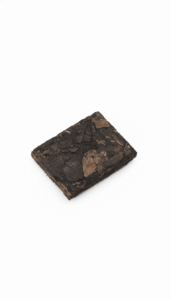
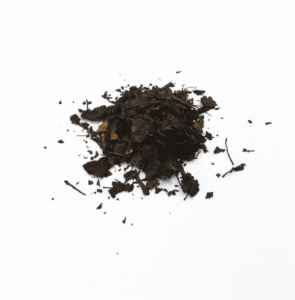
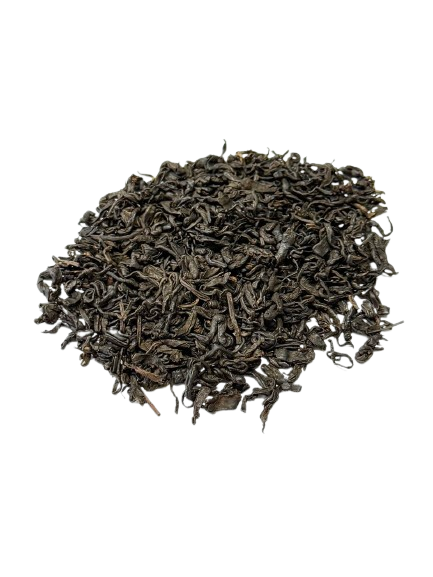
Compared to the centuries-old plantations in China’s heartland, Tibet’s tea gardens are still in their infancy. The oldest tea trees here are only around 50 to 60 years old, yet in this region, such age already qualifies them as “ancient tea trees.”
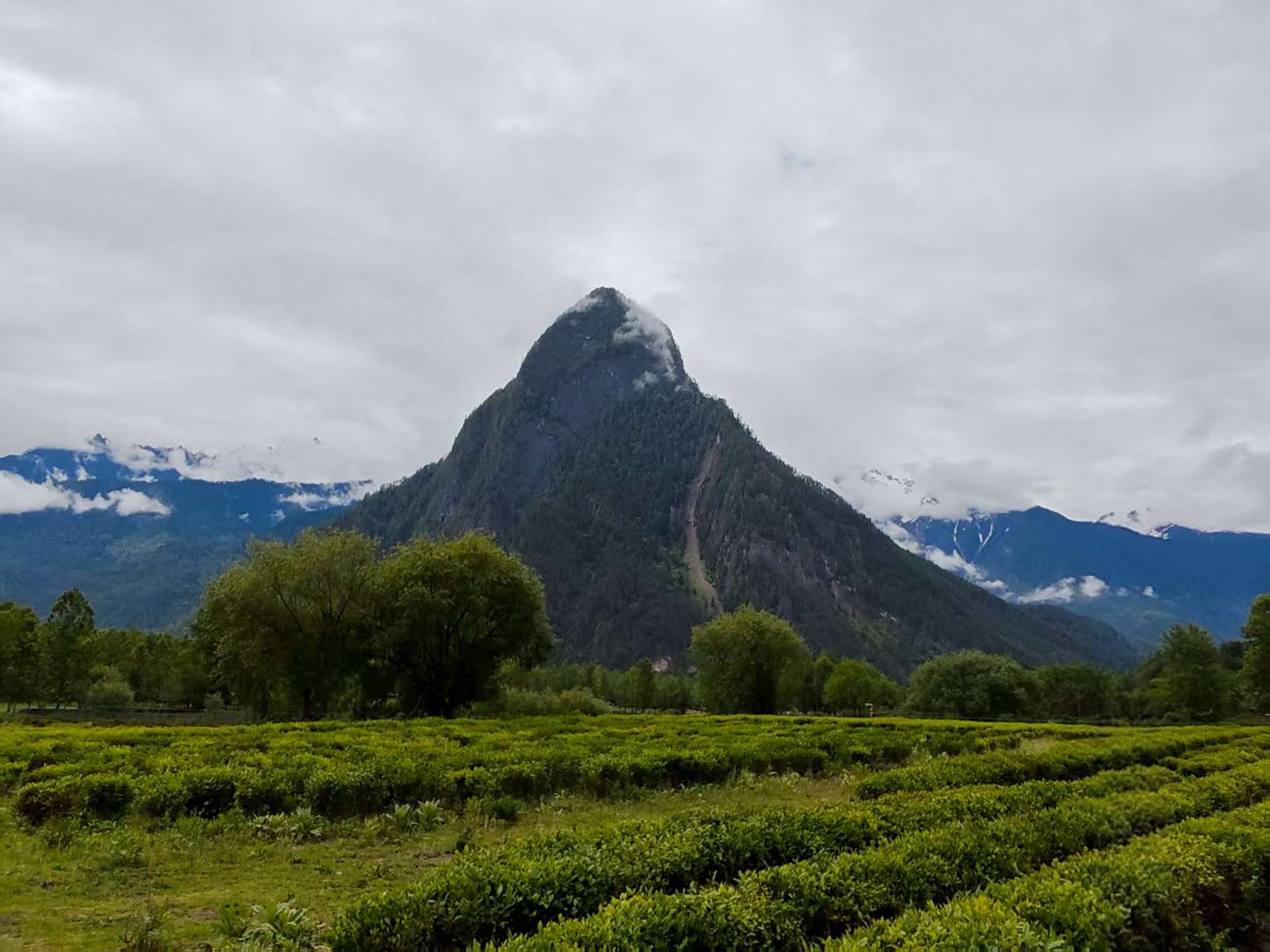
Grown on the southern slopes of the Nyenchen Tanglha Mountains in Nagqu, irrigated by glacial meltwaters and warmed by humid airflows from the Indian Ocean, these tea gardens are cloaked in mist year-round beneath the sacred Nayong Gapo snow mountain. The region experiences neither harsh winters nor scorching summers. In this slow-growing, high-altitude ecosystem, tea plants are harvested just once a year, resulting in leaves rich in caffeine, amino acids, and polyphenols—far exceeding those found in many premium teas from elsewhere.