.png)
You want genuine Hainan Agarwood, but the market is full of fakes. This risk can easily cost you thousands. I will share three proven ways to identify the true “King of Incense” every time.
You can identify authentic Hainan Agarwood by focusing on three key factors. First, check the unique *Aquilaria sinensis* tree species. Second, look for distinct “iron rust” oil lines and a smooth surface. Third, confirm the signature sweet, cool, and long-lasting aroma profile.
We believe in moving slowly to see clearly. Understanding true quality requires a deep, steady look at the details. We must break down the characteristics step by step to fully appreciate this rare material.
Does the true value of Agarwood only come from the Hainan tree species?
Many people think all quality Agarwood is the same. This is a mistake that overlooks the source. The *tree* matters more than the land. Let’s look at the foundational difference.
The core difference is the specific tree: Hainan Agarwood comes from the *Aquilaria sinensis* species. Most other high-end origins use different *Aquilaria* species. This unique host tree gives Hainan its distinct chemical structure and aroma profile.
The Importance of *Aquilaria Sinensis*
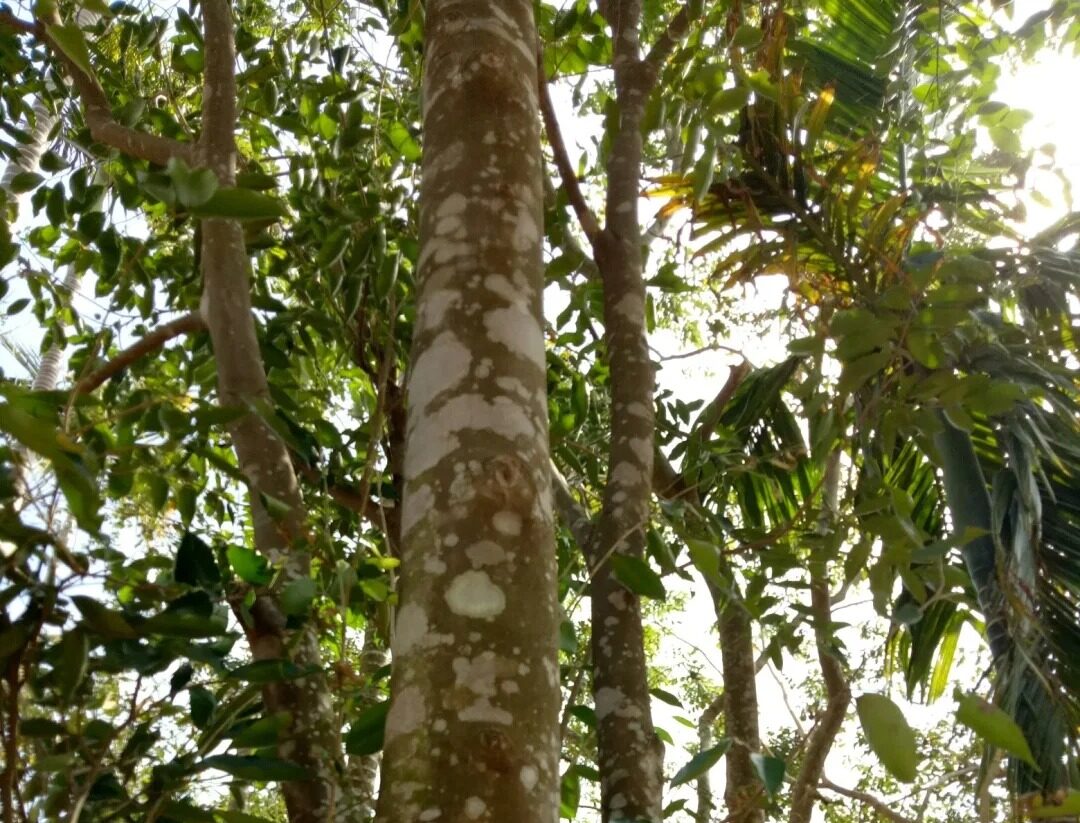 I remember when I first started learning about incense. I thought *Aquilaria* was one single tree. I was wrong. The Hainan variety, *A. sinensis*, is special. This tree grows slowly in the unique island climate. The resin it produces has a chemical composition that differs from other species. This specific makeup is what gives Hainan wood its famous cooling quality. Other regions, like Vietnam, mostly feature the *A. crassna* species. This difference in the host tree makes a huge difference in the final scent. When we seek authenticity, we must always start at the source. The tree species sets the baseline for quality.
Geographic Specifics
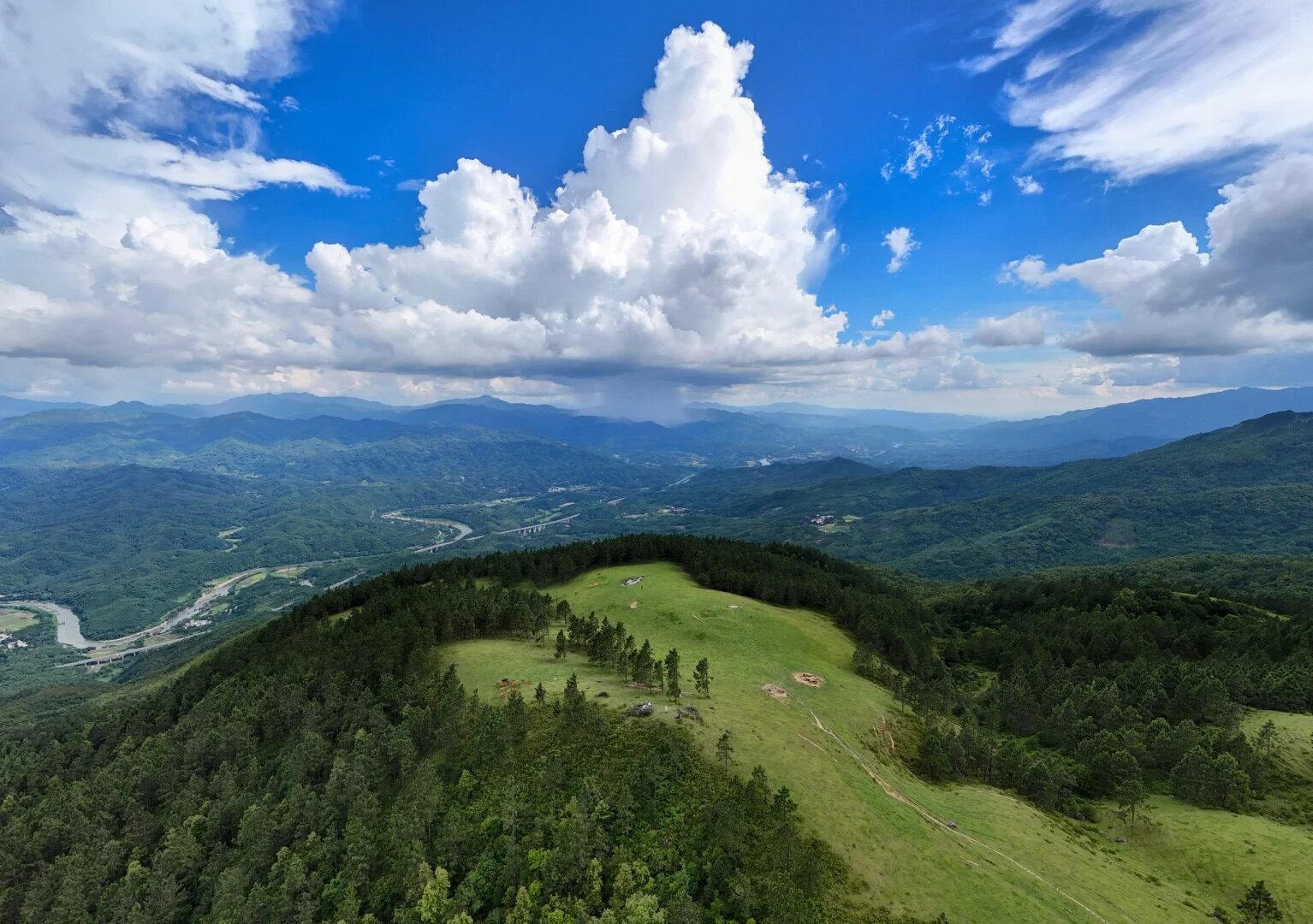 The land and the environment shape the wood. Hainan Island has a sub-tropical monsoon climate. This causes the wood to form resin slowly and densely. The long, stable formation process fits our GWAYGI philosophy perfectly. Slow, steady progress creates lasting quality. We see this quality reflected in the deep resin structure. Other popular sources grow their trees faster. This speeds up production, but the resulting wood often lacks the deep, layered complexity of the Hainan pieces. Knowing the specific tree species and the climate is the first step in walking a steady path toward true knowledge.
| Origin (Region) | Dominant Tree Species | Resin Formation Speed | Key Identifier |
| Hainan (China) | *Aquilaria sinensis* | Slow/Steady | High Coolness Factor |
| Nha Trang (Vietnam) | *Aquilaria crassna* | Moderate | Clear Sweetness |
| Kalimantan (Indonesia) | *Aquilaria microcarpa* | Fast | Pungent/Spicy Notes |
What visual clues confirm I hold the most valuable Hainan Agarwood?
You look at the wood and cannot tell the quality. Fakes can look very real to the untrained eye. Let me show you the secret signs found in the oil lines.
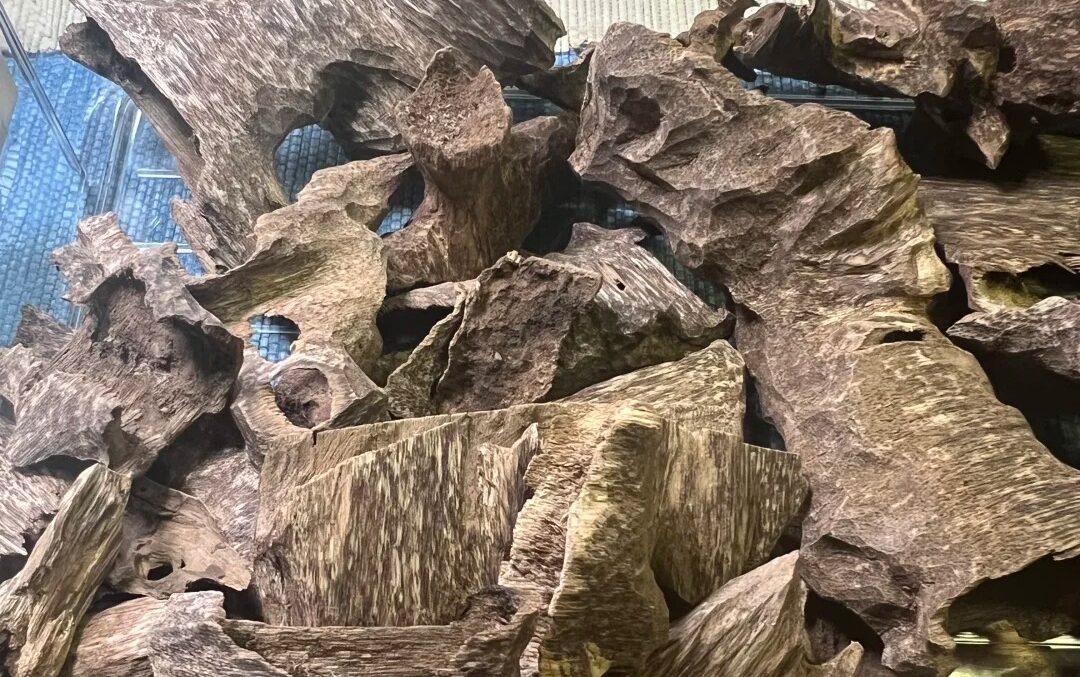
Genuine Hainan Agarwood features a highly specific appearance. Look for the distinct, deep brown or black “iron rust” oil lines. The overall texture is smooth and hard, often with a high resin-to-wood ratio. This high density makes the wood feel heavy.
The “Iron Rust” Signature
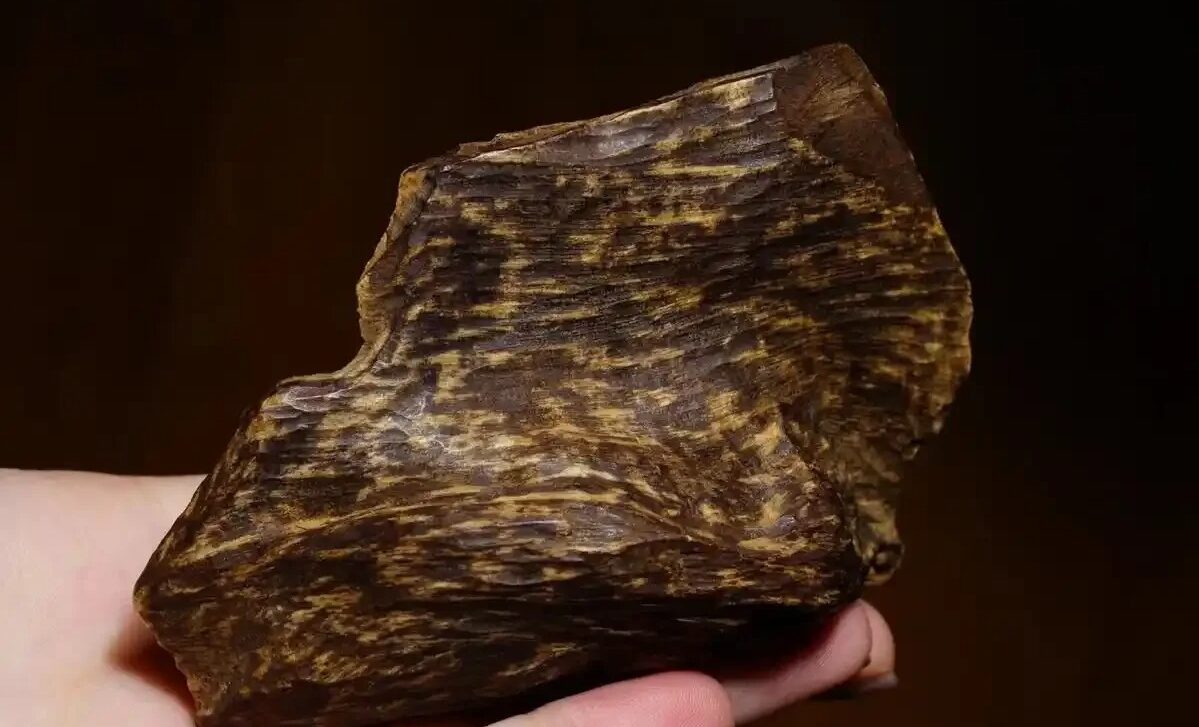 We always look for stability. The oil lines on Hainan Agarwood show stability very clearly. They often look like thick, dark streaks of “iron rust.” These lines are not scattered. They are dense and clearly defined against the lighter wood. This visual quality comes from the wood’s high resin content. The resin fills the wood pores very completely. Other regions, such as parts of Kalimantan, often show lighter or more striped patterns. Those patterns are beautiful, but they do not match the deep, dense lines of a genuine Hainan piece. When I select a piece for my own use, the “iron rust” is the second thing I look for. It confirms the steady, deep resin formation.
Density and Surface Texture
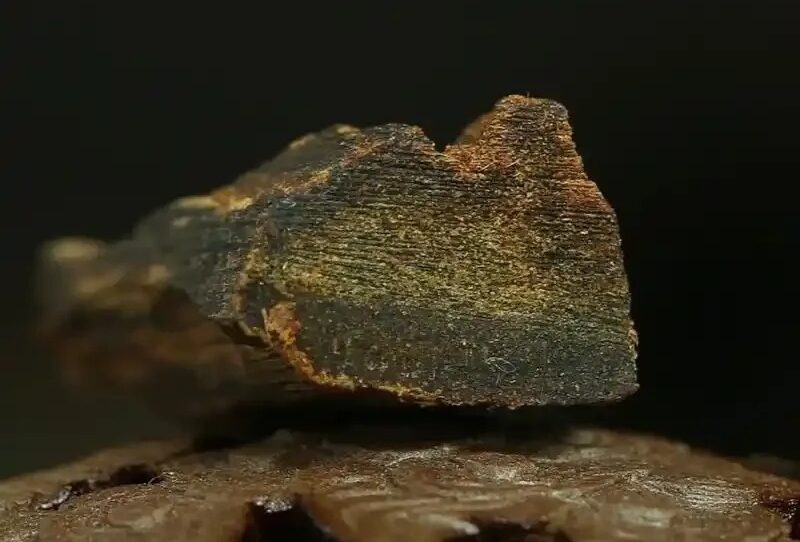 The surface texture also tells a story. Hainan wood should feel very smooth and dense when you touch it. It does not feel oily or sticky, even with high resin. This is because the resin has fully solidified inside the wood structure. We measure the resin-to-wood ratio. Many genuine Hainan pieces are classified as “sinking” grade. This means they are so dense with resin that they sink in water. This density is the result of years of slow, steady accumulation. Other woods might be dyed or soaked in oil to fake the weight. We